How Much Does an AFF Course Really Cost in Italy in 2026
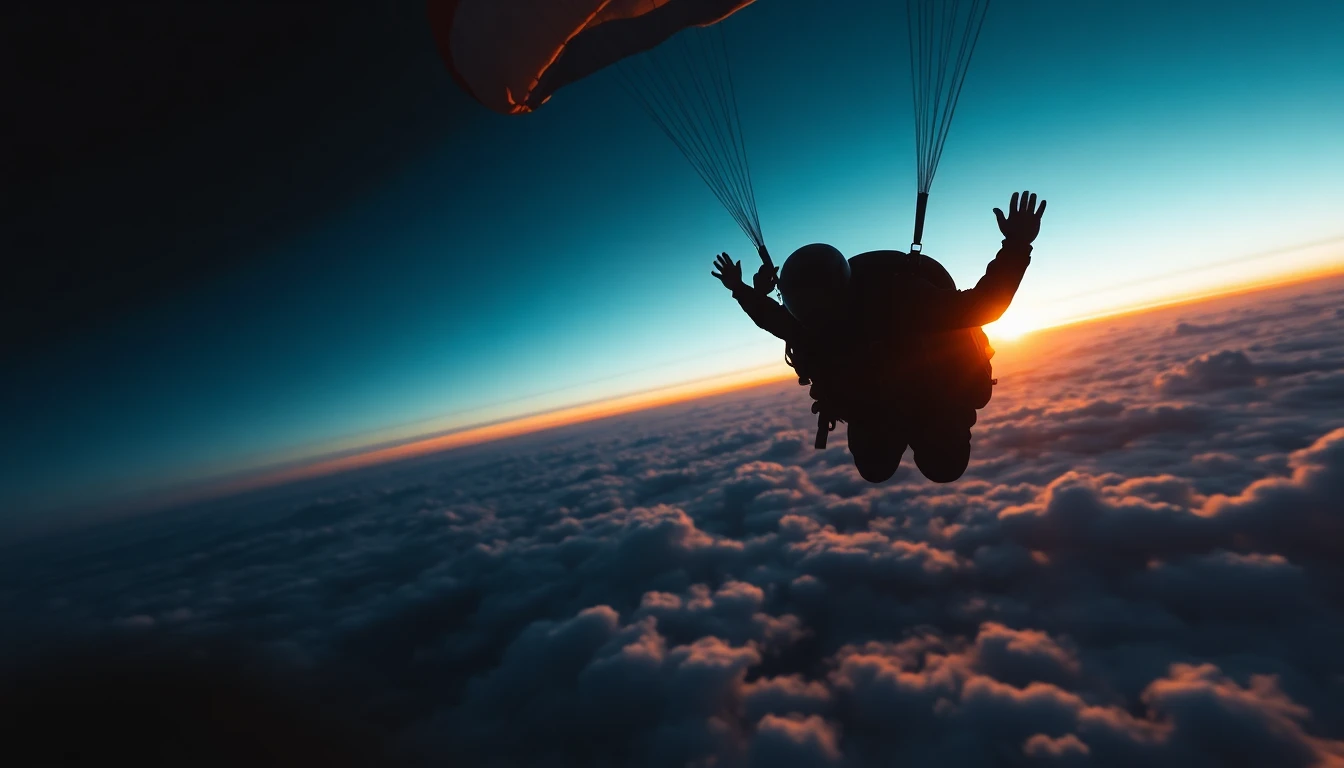
In Italy, a complete AFF course typically costs between €1,500 and €2,500, depending on the school, geographic area, and what's included in the package. To this figure you must add costs for the ENAC license, personal equipment, and post-course consolidation jumps. Planning a total budget of €2,000-€3,000 to reach your license is a prudent and realistic estimate.
Are you wondering how much it will really cost you to get your skydiving license in Italy, without surprises halfway through? That's the right question to ask before enrolling. The AFF course — Accelerated Freefall, the progressive freefall training program recognized by ENAC (Ente Nazionale per l'Aviazione Civile, Italy's civil aviation authority) — is the only official path to obtaining a skydiving license in Italy. In this article I'll explain item by item what you're paying for, what they often don't tell you, and how to build a realistic budget.
What is the AFF course and why does the price vary so much
The AFF course is structured in progressive levels (typically 8 jump levels with an instructor, preceded by a ground theory phase). Each level introduces new freefall maneuvers, with one or two AFF instructors physically accompanying you during the jump. At the end of the program, if you pass the evaluations, you can apply for your ENAC skydiving license.
The price varies for concrete reasons. ENAC-certified skydiving schools are distributed throughout the country: a school in an area with a higher cost of living, or with larger and more modern aircraft, will have different costs compared to a school in a rural area. What's included in the package also matters: some schools offer all-inclusive packages (equipment rental, insurance, training materials), while others quote only the jumps and then add items one by one.
The cost structure: item by item
To truly understand what you'll spend, you need to separate at least four cost categories. Here's a schematic overview:
CATEGORY 1 — The actual AFF course
This is the main item. It includes ground school, jumps for levels 1 through 8 with an instructor, and often also the consolidation jumps immediately following. In Italy, complete AFF packages typically fall in a range between €1,500 and €2,500. Some schools offer 'all-in' packages that also include consolidation jumps up to the minimum threshold for the license; others stop at the eighth level and you pay for subsequent jumps separately.
CATEGORY 2 — Consolidation jumps
After the 8 AFF levels, ENAC requires a minimum number of jumps to apply for your license (always verify current requirements on the ENAC website, as regulations can change). You perform these jumps independently, but you still pay the lift ticket — the cost for each individual jump with the aircraft. The cost per jump typically varies between €20 and €35 per lift, depending on exit altitude and the school. If you need to complete several consolidation jumps, factor this item into your budget.
CATEGORY 3 — Equipment
During the AFF course you'll use the school's equipment, which is usually included in the package or has a small surcharge. But when you start flying independently, you'll need your own equipment. A complete used parachute system inspected by a certified rigger (the technician authorized to maintain parachutes) can cost from €2,000 to €5,000 or more, depending on age and features. Many schools have rental systems for newly licensed jumpers: use this option until you have enough jumps to make an informed choice about your gear.
CATEGORY 4 — License, insurance, and federation membership
To obtain your ENAC license you must take an exam and pay administrative fees. You must also be current with mandatory insurance and, in most cases, join a recognized sports association or federation. Costs vary, but budget a few hundred euros for these items. Ask your school what's already included in the AFF package and what isn't.
A concrete example: Mario's budget
Mario is 28 years old, weighs 78 kg, has no flying experience, and wants to get his skydiving license starting from zero. He enrolls in an ENAC-certified AFF school in central Italy. Here's how his budget might break down:
• AFF package (levels 1-8, rented equipment, course insurance): approximately €1,800-2,200
• Consolidation jumps up to the minimum threshold for the license (estimate 15-20 jumps at about €25 each): approximately €375-500
• Annual federation fee and sports insurance: approximately €100-200
• ENAC exam and license fees: a few dozen euros (check the ENAC website)
• Equipment rental for the first jumps as a licensed jumper: variable
Realistic total to get your license in hand: €2,300-3,000, without yet buying your own equipment.
If Mario also wanted to purchase a used system inspected by a rigger to start flying independently, he would need to add at least €2,000-3,500. But this isn't an immediate mandatory cost: many schools allow rental even for newly licensed jumpers for the first few months.
What to ask the school before signing
Here's a concrete checklist to use when contacting an ENAC-certified AFF school:
☐ Does the package include equipment rental for all 8 levels?
☐ Is insurance during the course included or must I arrange it separately?
☐ What happens if I don't pass a level? Is the repeat included or do I pay extra?
☐ Are post-AFF consolidation jumps included or do I pay for them as individual tickets?
☐ Is the school ENAC-certified? (Ask to see the authorization — it's your right)
☐ Is there a possibility to rent equipment after getting my license?
☐ Does the cost include the federation fee or must I register separately?
☐ Are there additional costs for training materials or jump videos?
The question about repeats is particularly important. Not everyone passes every level on the first attempt — and that's normal, it's not a failure. But if each repeat costs €150-200 extra, and you don't know this in advance, the budget can balloon. A serious school will answer this question clearly.
Beware of prices that are too low: safety isn't discounted
Here I need to be blunt, without ambiguity. If you find an AFF course at prices significantly below the market average, immediately ask yourself what's missing. The possibilities are: equipment not included, insurance not included, less experienced instructors, or — in the worst case — a facility that isn't ENAC-certified as a skydiving school.
In Italy, skydiving training must be provided by schools authorized by ENAC. This isn't a bureaucratic detail: it's the guarantee that instructors have the required qualifications, that equipment is maintained according to standards, and that your training will be recognized for obtaining your license. Before paying any deposit, verify that the school appears in the list of ENAC-authorized operators (available on the official website enac.gov.it). Inviting you to verify is the least I can do.
How to plan your budget over time
You don't need to have the entire amount available on day one. Many schools accept payment for the AFF course in multiple installments, or allow you to start with a deposit and settle level by level. Some agreements with sports associations or third-sector organizations may provide discounts: ask the school if special arrangements exist.
A practical strategy: first cover the cost of the complete AFF course (levels 1-8), then plan consolidation jumps as a monthly expense spread out over time. If you do 4-6 jumps per month, in a few months you'll reach the threshold for your license without an unsustainable lump sum. And in the meantime you'll accumulate experience to make an informed choice about your first equipment.
In summary: the real cost of an AFF course in Italy
Here's a quick recap with the key numbers:
| Cost item | Indicative estimate |
|---|---|
| AFF course (levels 1-8) | €1,500 – €2,500 |
| Consolidation jumps | €300 – €600 |
| Federation fee + insurance | €100 – €200 |
| ENAC license (fees) | A few dozen euros |
| TOTAL for license | €2,000 – €3,300 |
| Used equipment (optional) | €2,000 – €5,000+ |
Skydiving is a sport that requires a significant initial investment. But it's also a sport where quality training is non-negotiable: every euro spent at a serious, certified school is a euro spent on your safety. If you have doubts about a specific school, write to us — at Quota 4000 we can help you navigate. And if you're still considering whether to do a tandem jump first to 'feel what it's like,' read our dedicated article: it can be an excellent starting point before committing to the complete AFF program.
FAQ
- How long does the AFF course take in Italy?
- The duration depends on how frequently you train and weather conditions. The ground theory portion typically requires one or two days. Jumps for levels 1-8 can be completed in a few intensive weekends or spread over several weeks. Subsequent consolidation jumps depend on how often you can get to the dropzone. Generally, those who train regularly obtain their license within a few months.
- Can I do the AFF course if I've never done a tandem jump?
- Yes, the AFF course doesn't require a previous tandem jump as a mandatory prerequisite. However, many schools recommend doing at least one tandem before starting, to get a concrete sense of the environment and understand if it's really what you want. It's not required, but it can help you make a more informed decision before investing in the complete course.
- What happens if I don't pass an AFF level?
- You must repeat the level. It happens, and it's not a failure: everyone learns at different rates. The important thing is to ask the school in advance how repeats are handled and if they have an additional cost. A serious school will clearly explain their repeat policy before you sign any contract.
- Is the AFF course recognized abroad?
- The AFF program is an international standard, but the license issued by ENAC is an Italian license. Recognition abroad depends on agreements between countries and the rules of the foreign dropzone. In many European countries and worldwide, an ENAC license is accepted or easily converted, but always verify with your destination dropzone before traveling.
- Do I need to buy my own equipment right away?
- No. During the AFF course you'll use the school's equipment. After getting your license, many schools offer rental even for newly licensed jumpers. Purchasing your own system is advisable only when you have enough jumps (typically a few hundred) to know exactly what you need. A certified rigger or experienced instructor can help you with the choice when the time comes.
- How do I verify that an AFF school is ENAC-certified?
- You can consult the official ENAC website (enac.gov.it) where lists of authorized operators are published. Alternatively, ask the school directly to show you their authorization. A serious school will have no problem showing it to you. Don't rely only on the website or online reviews: official verification is the only valid guarantee.