Main canopy
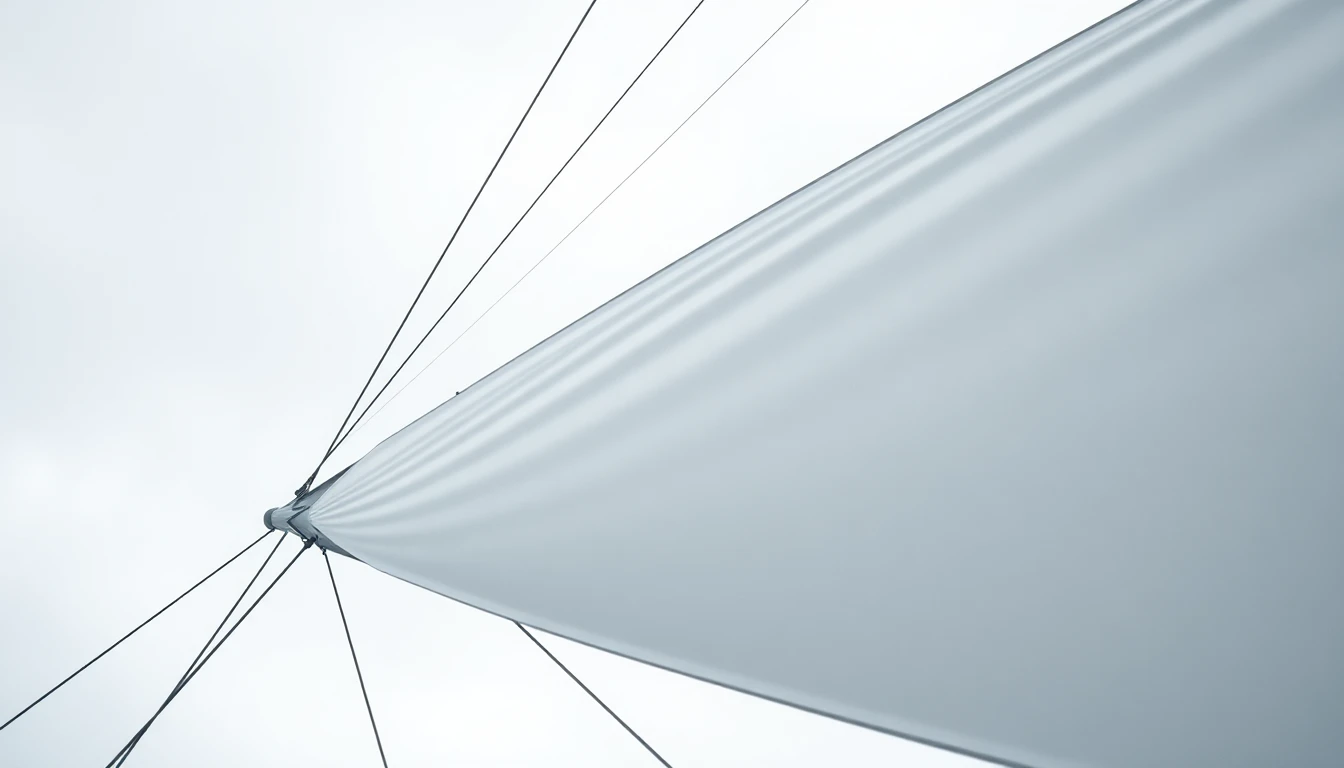
The wing you actually fly. 7-cell, 9-cell, elliptical, crossbraced — choice driven by wing loading and discipline.
What it is and how it works
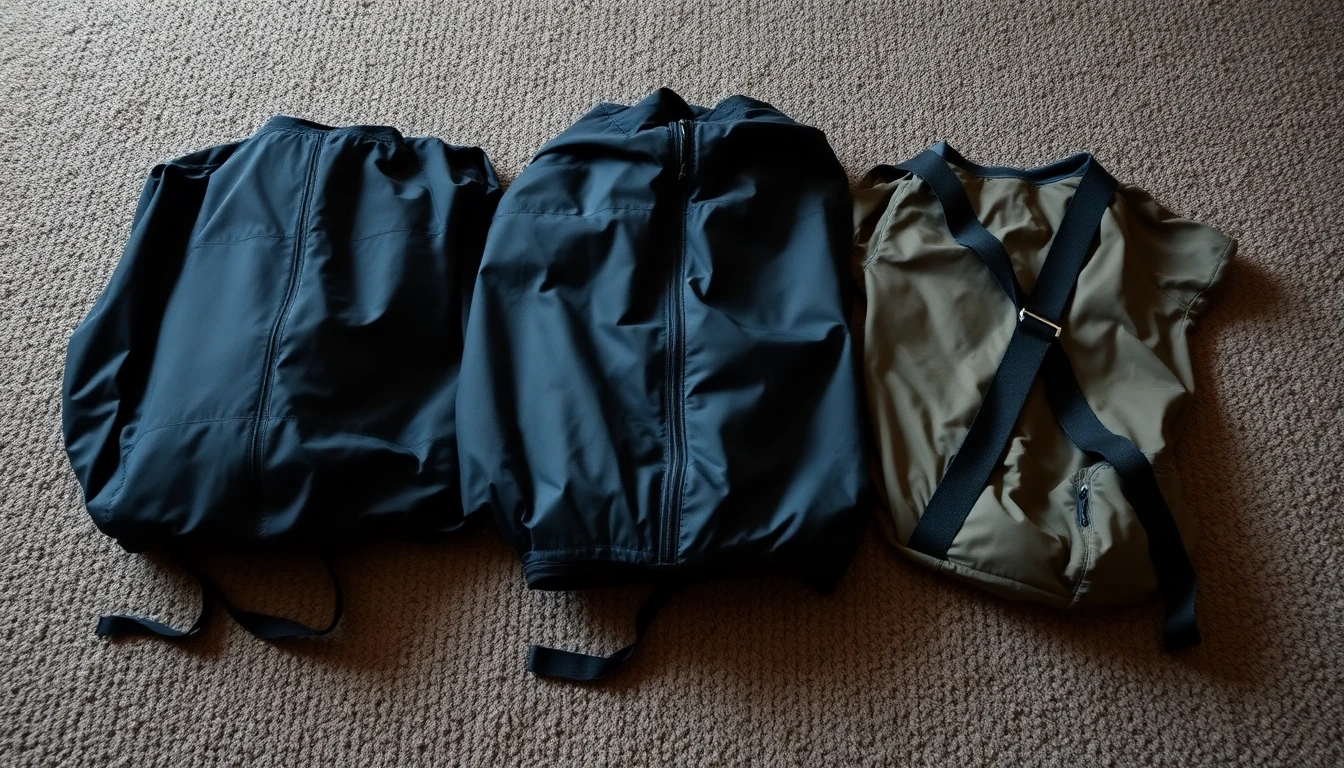
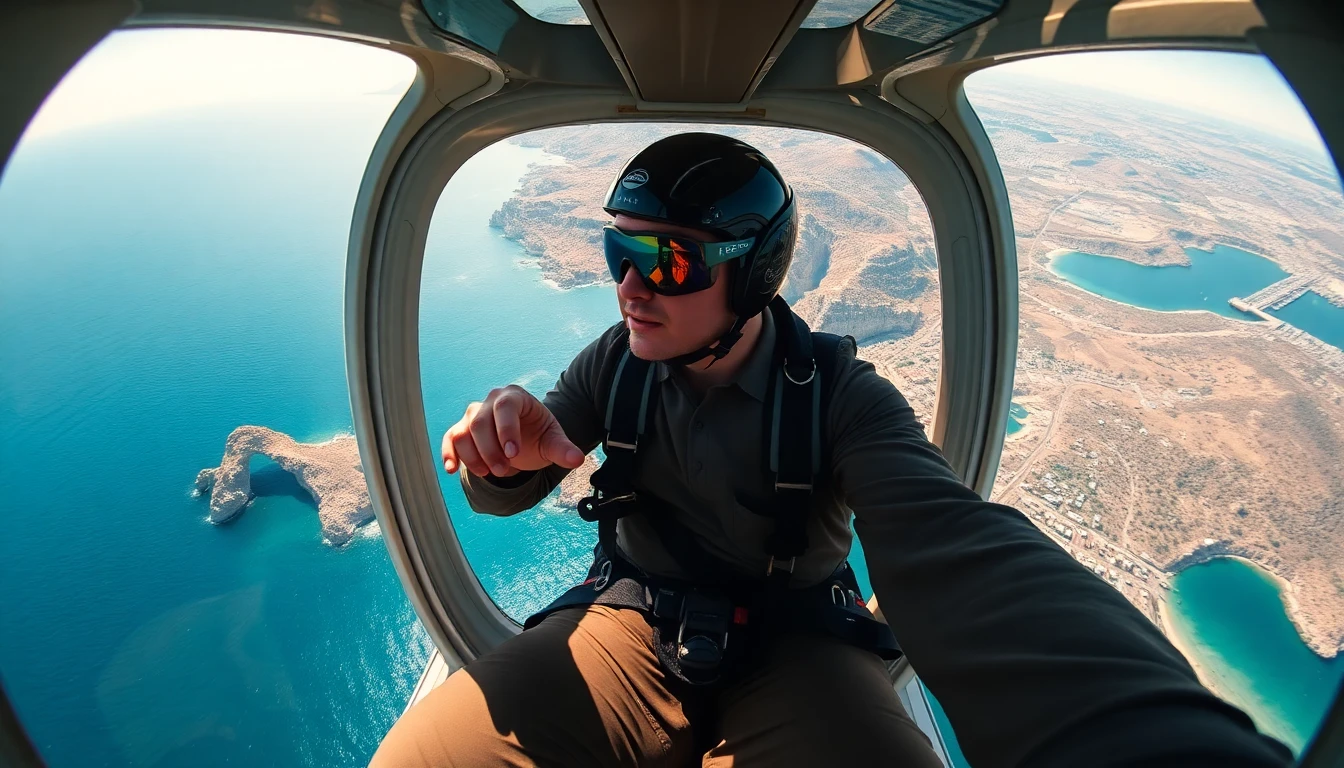
The main canopy is the gear component that changes most over a skydiver's career. Start nearly always on student canopies at low wing loading (<1.0), progress to moderate-loading 9-cells (1.0–1.4), and after significant experience consider ellipticals (>1.5) up to competition canopy piloting (>2.0 crossbraced).
Key specs
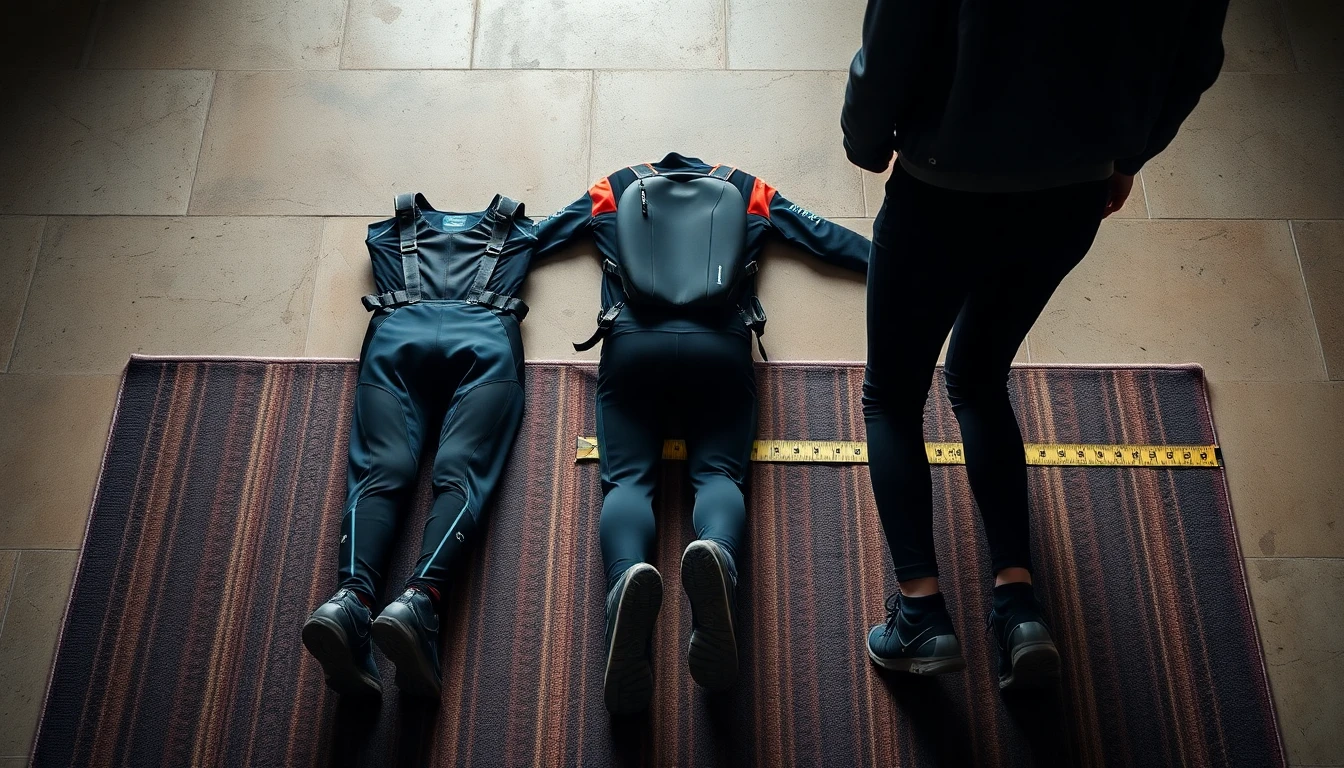
Exit weight (pilot + gear) in lbs divided by canopy sq.ft. Thresholds: <1.0 student, 1.0–1.4 beginner/intermediate, 1.4–1.8 intermediate/advanced, 1.8+ advanced/CP.
7-cell = student/accuracy, 9-cell rectangular = intermediate, 9-cell elliptical = advanced, crossbraced = CP/competition.
Fabric aging. F-111 is more porous and lighter (schools), ZP (Zero Porosity) is higher-performance but stiffer. Porosity increases over time → performance loss after ~1,500 jumps.
Reference brands
6 flagship models
Zero-porosity 9-cell rectangular. The best-selling intermediate wing worldwide for 20 years — predictable openings, generous flare.
The "default" wing of Italian licensed jumpers. Not thrilling, but the benchmark every other intermediate canopy is compared to.
Manufacturer site →Lightly elliptical 9-cell. Direct Sabre2 rival, softer at dock and forgives slightly high wing loading errors.
9-cell elliptical advanced. Bridge between intermediate and CP — opens the world of high-performance landings. Not a first elliptical.
9-cell high-performance elliptical. Long glide and dynamic flare. Market leader alongside Katana in the intermediate-advanced segment.
Elliptical crossbraced competition canopy. Swoop benchmark in recent years, 2.3+ wing loadings.
NZ Aerosports CP-optimized crossbraced canopy. Peregrine rival, preferred by many top swoop pilots.
Lifespan and used market
~1,500 operational jumps before significant performance loss (porosity). CP crossbraced retire earlier (~800-1,000 jumps) due to asymmetric wear from repeated rotations.
Wide supply, competitive pricing typically 40-60% of new. Always verify provenance and rigger inspection.
Related reading

READY TO CHOOSE?
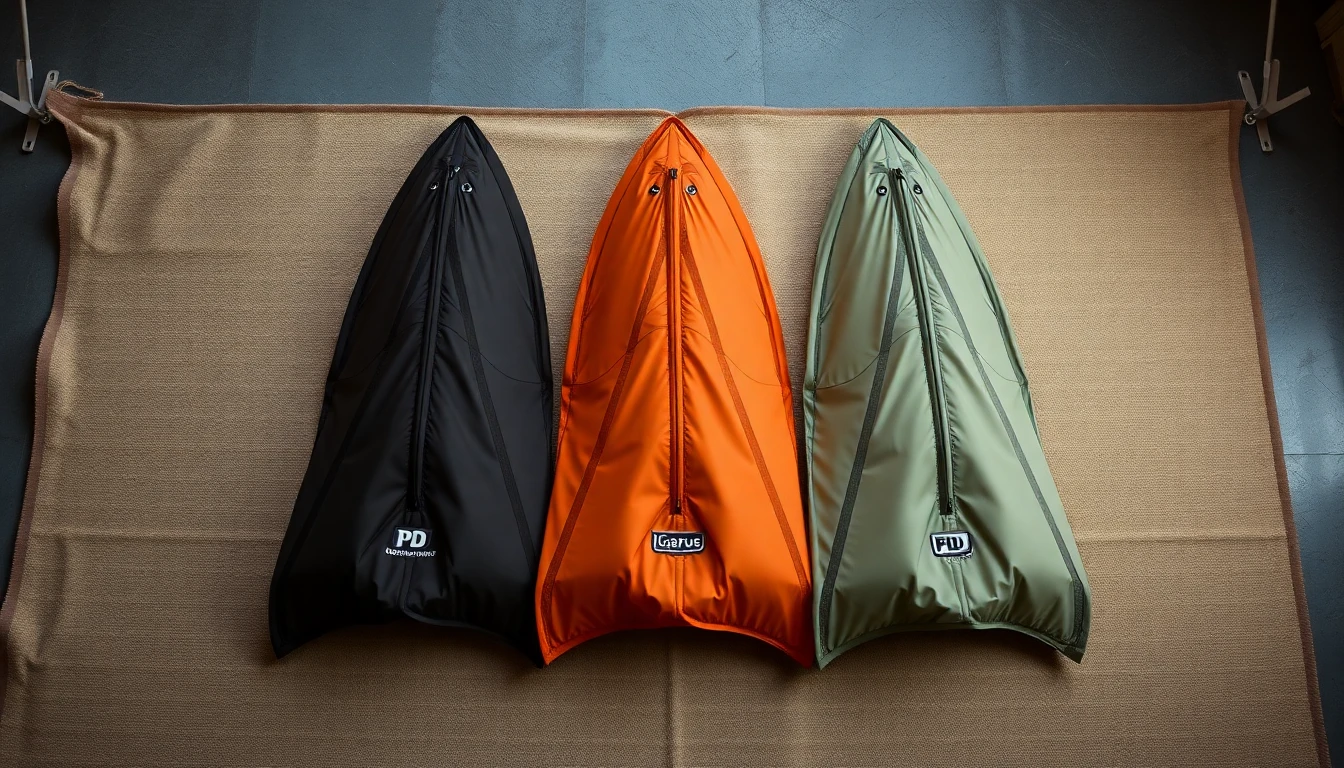
Documented comparison of 5 manufacturers (PD, Aerodyne, JYRO, Icarus, Fluid), official prices, wing-loading ranges, decision tree by level and discipline.
Open the full guide →