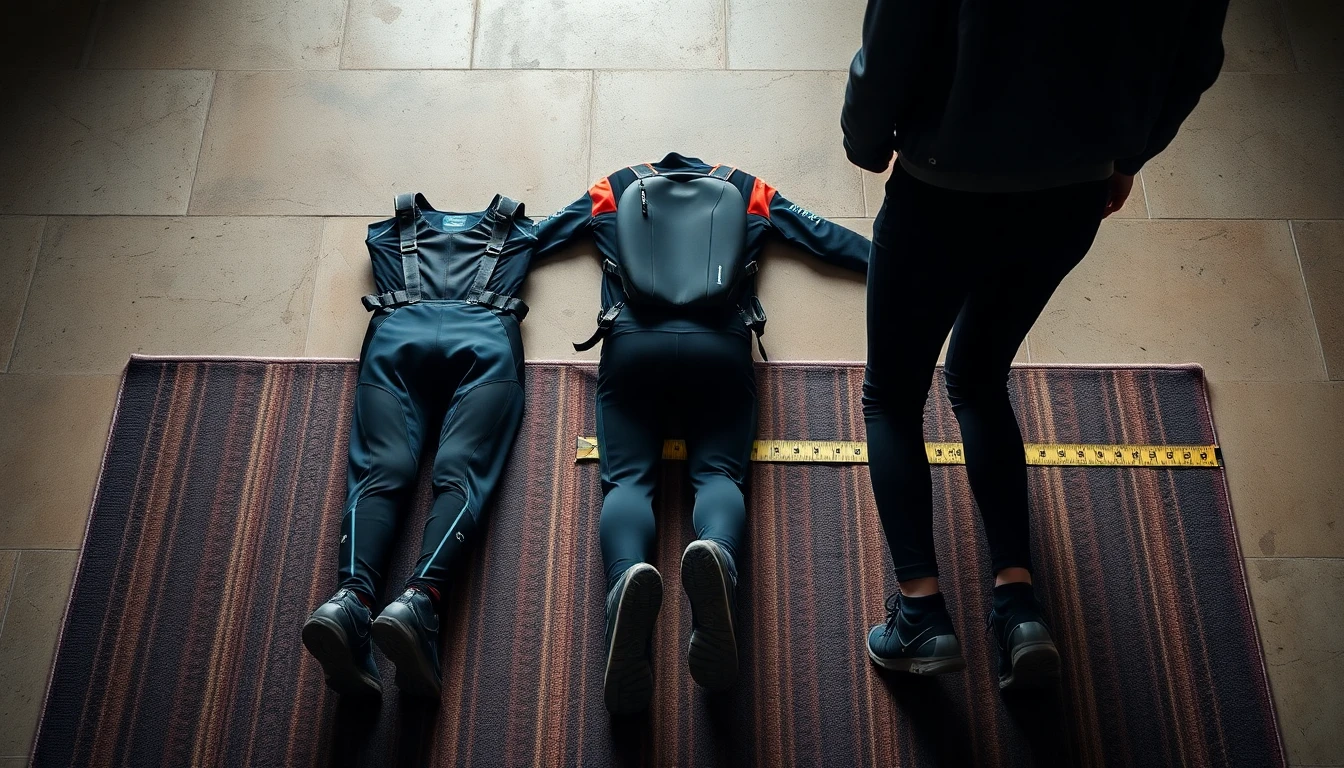
Jumpsuit
Technical flying outfit. Belly, freefly, wingsuit — each discipline has its shape. Custom-fit to flyer weight.
What it is and how it works
Suit is the second most discipline-specific component after canopy. Belly (booty) suits have wide legs for freefall surface area. Freefly suits are fitted (no booty) for vertical control. Wingsuit suits turn flyer into aerodynamic profile with 2-5 sq.m surfaces. All suits are custom-fit per body measurements + weight (plays drag role).
Key specs
Belly → booty with vent. Freefly → fitted no booty with freefly handles. Angle → wider freefly-like. Wingsuit → dedicated winged.
Cordura = durable, rough, robust. Polycotton = smooth, more "slippery" on flow, preferred for technical positions. Hybrid materials for modulated drag.
Light flyers (<60kg) prefer higher-drag suits to slow fall. Heavy flyers (>90kg) prefer slim ones to not fly too fast. Custom fit balances drag + weight.
Reference brands
4 flagship models
Reference freefly suit. Fitted, polycotton, high anti-pull-up collar, freefly handles. Available in custom colors.
Dynamic-specific suit. Ultra-fitted, zero drag, optimized for high-speed rotations. Preferred by top Italian dynamic flyers.
World's best-selling beginner wingsuit. ~1.5:1 glide, easy deployment, simple construction. First wingsuit of 90% Italian flyers.
3:1+ glide competitive performance wingsuit. Requires 300+ prior wingsuit jumps. FAI Performance Championship reference suit.
Lifespan and used market
Well-maintained belly/freefly suit: 500-1,000 jumps. Stitching on slider drag zones goes first. Advanced wingsuits retire after 300-500 jumps due to wing panel stretching.
Moderate supply, needs active search. Fluctuating pricing. Only buy with certified rigger inspection.