Helmet
Protection and mount for audible, camera, visor. Open-face vs full-face is the first choice.
What it is and how it works
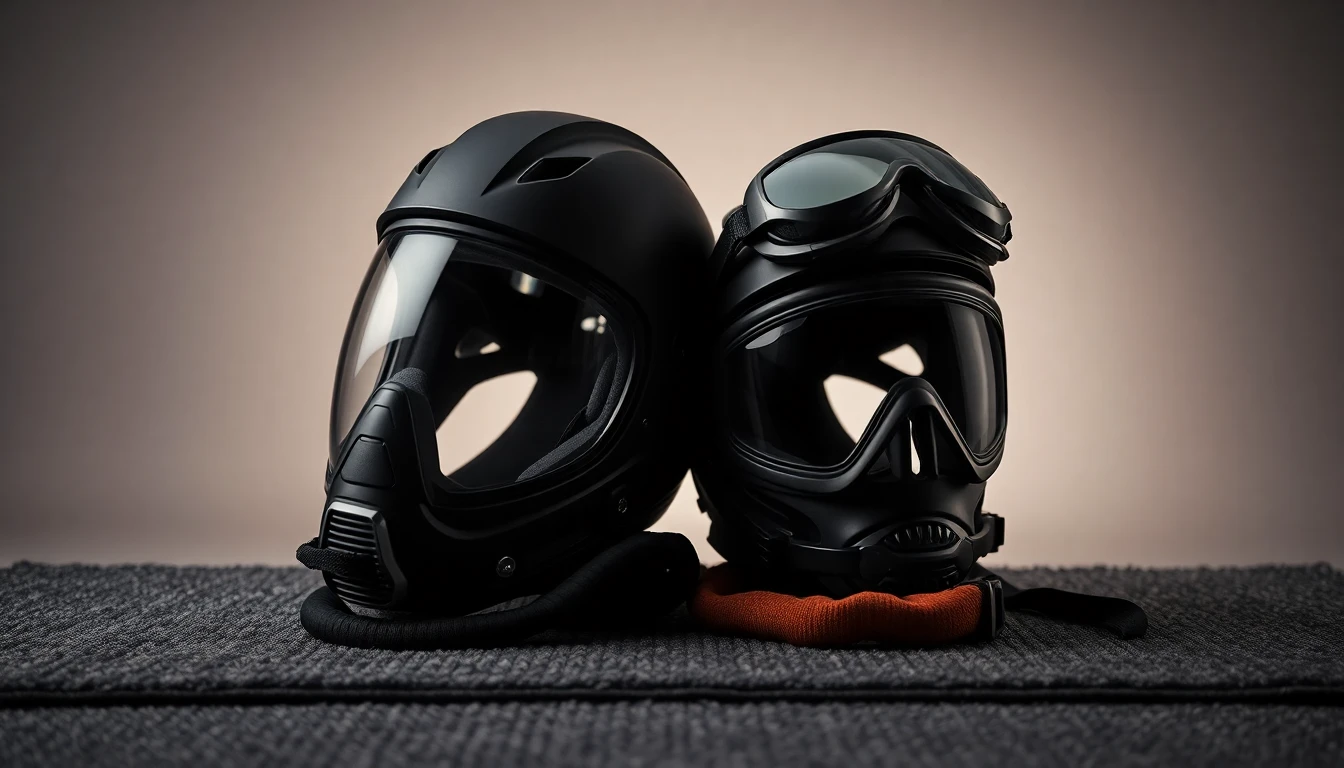
Helmet chosen by discipline and comfort. Open-face (Protec, G3) for belly and early jumps — better voice communication and peripheral vision. Full-face (Cookie G4, Tonfly 2X) for freefly, angle, wingsuit — total protection, aerodynamic profile, impossible to self-injure with pilot chute at deployment. Both fit audible, external camera, adjustable visor.
Key specs
Open = more comms, less protection. Full = more safety, harder to communicate in plane. Many switch to full-face after 50-100 jumps.
Belt chin-strap = adjustable, reliable, less elegant. Magnetic snap = fast but may open in freefall if mispositioned. Many schools recommend chin-strap for early years.
One audible (L&B Optima II) on temple. Camera (GoPro, Insta360) on top — needs cut-away protection to avoid cable ripping visor in emergency.
Reference brands
3 flagship models
World's best-selling full-face. Replaceable visor, audible + camera slots, aerodynamic profile. Italian freefly default.
Italian full-face. Slim profile preferred by competition freefly for head-down drag reduction. Optional photochromic visor.
Lightweight open-face, chosen for early jumps and belly FS. Excellent ventilation, aggressive pricing.
Lifespan and used market
Composite helmets last 5-10 years if not shocked. Severe impact = immediate replacement (even if helmet looks fine). Visors replaceable separately.
Moderate supply, needs active search. Fluctuating pricing. Only buy with certified rigger inspection.