AAD (Automatic Activation Device)

The electronics that auto-activate reserve. ENAC de facto standard — no school lets you jump without one.

3
Models listed
3
Manufacturers
€1,100–1,700
Price range
Moderate
Used market
01 — Overview

What it is and how it works

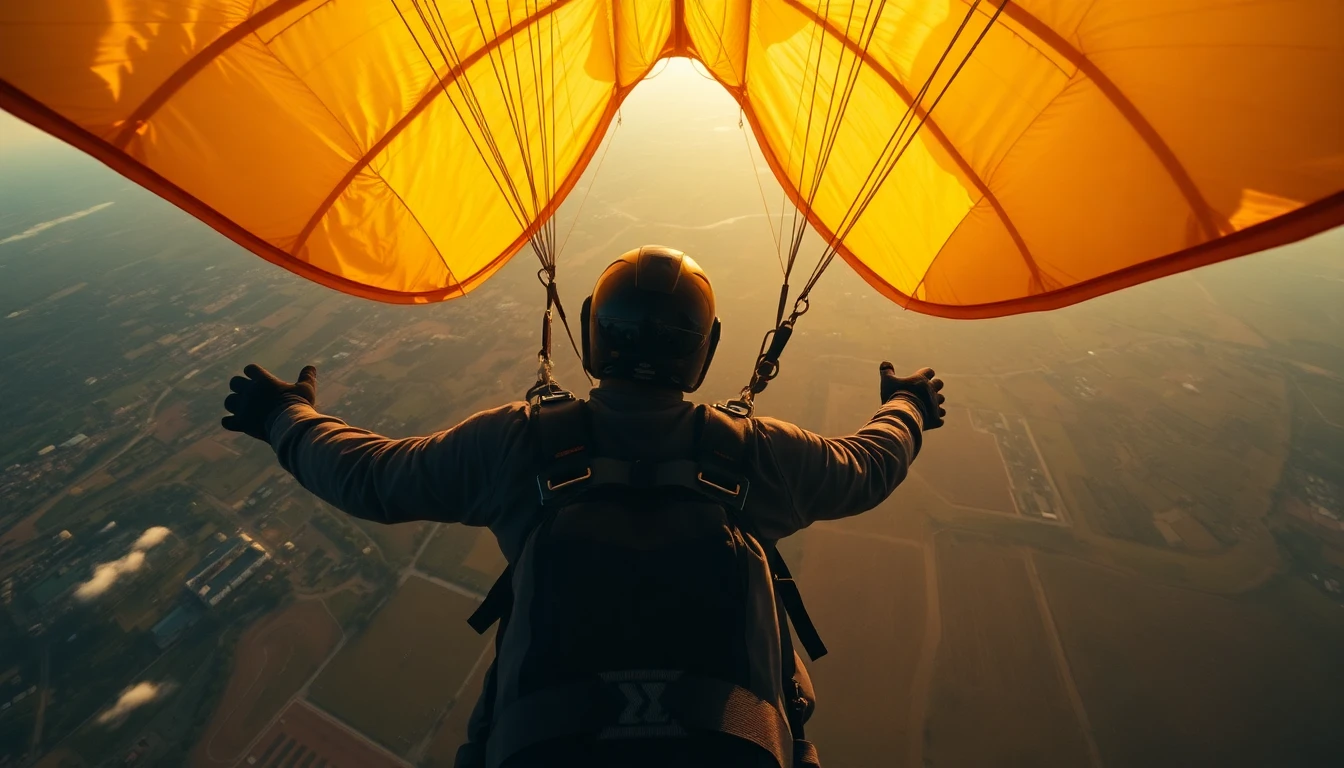
AAD measures altitude and speed in real-time. If at safety altitude (typically 225 m AGL) the skydiver is still descending at freefall speed, AAD fires reserve. Last-resort backup for unconscious, stuck-handle, dual-malfunction cases. World-certified manufacturers: Cypres (Germany), Vigil (Belgium), MarS (Czech Republic).

02 — What to evaluate

Key specs

Operating mode

Expert (225 m firing, 35 m/s), Student (400 m, 22 m/s), Tandem (580 m, 35 m/s). Mode chosen by discipline profile — wingsuit has dedicated profile.

Lifecycle and service

Cypres: 12 years + 3 service cycles (4 years each). Vigil: 20 years no mandatory service. MarS: 15 years with 4-year service. Total lifecycle cost matters beyond initial price.

Battery

Replaceable every 2 years (Cypres 2) or non-replaceable with 20-year life (Vigil). Operating cost profile differs.

03 — Manufacturers

Reference brands

Airtec (Cypres)AAD / VigilMarS
04 — Models

3 flagship models

Airtec
Cypres 2
1,4001,500
New

Historic reference. Mandatory 4-year service. 12-year operational life. Tracks all events (including every power-on). Preferred by most schools.

StudentNovice (post-A)Intermediate (B-C)Advanced (C-D)Expert / competition

Total cost of ownership over 12 years (purchase + 3 services) is ~€2,500-2,800. Calculate when comparing to Vigil.

Manufacturer site →
AAD (Advanced Aerospace Designs)
Vigil 2+
1,5001,700
New

20-year operational life with no mandatory service. Non-replaceable battery. Lower TCO if kept for full operational life.

Novice (post-A)Intermediate (B-C)Advanced (C-D)Expert / competition
Manufacturer site →
MarS
M2
1,1001,300
New

Czech alternative with more aggressive initial price. Less installed in Italian schools but technically solid.

Novice (post-A)Intermediate (B-C)Advanced (C-D)
Manufacturer site →
05 — Lifecycle

Lifespan and used market

Lifespan and maintenance

Cypres 12 years, Vigil 20 years, MarS 15 years. Service and maintenance per manufacturer — do not ignore dates.

Used market
Moderate

Moderate supply, needs active search. Fluctuating pricing. Only buy with certified rigger inspection.
Hub
All gear categories
Open →
Disciplines
FAI sport disciplines
Open →
Safety
Safety framework and procedures
Open →
Sources: official manufacturer product pages, USPA SIM Section 5, PIA bulletins. Indicative pricing from European dealers, April 2026. Quota 4000 does not test gear — no individual reviews. For model-specific evaluation: certified rigger or trusted instructor.

Canopy Maintenance Before the Season: Complete Checklist for Beginners

Before getting back in the air after a winter break, visually inspect your canopy fabric (tears, burns, edge wear), the condition of your suspension lines (knots, tangles, comparative length), the slider, connectors, and pilot chute. Some checks you can do yourself; anything involving line trim geometry, load-bearing fabric structure, or the reserve should be entrusted to a certified rigger.

9 min read

Night Jumps in Italy: ENAC Requirements, Ratings, and Where to Jump After Dark

To make night jumps in Italy, you need a specific rating endorsed on your ENAC skydiver's license, issued after demonstrating adequate experience and completing dedicated training. ENAC regulations classify night jumps as 'special jumps,' with equipment requirements (lights, audible altimeters) and experience thresholds (minimum number of daytime jumps) that must be verified against the current version of the regulations. The dropzones authorized to conduct night jumps are a limited subset of Italian dropzones.

9 min read

From B1 to B2: What You Really Need to Know (Beyond Jump Numbers)

In the FAI/USPA framework used by Italian schools, moving from 'B1 level' to 'B2' isn't simply a matter of counting jumps: it requires mastery of canopy flight, situational awareness in freefall, autonomous emergency management, and the ability to operate safely in mixed-experience groups. Jump numbers are an indicator of exposure, not competence.

9 min read

Canopy Downsizing: Rules, Progression Patterns, and the Mistakes That Kill

Downsizing your canopy isn't just about jump numbers. Your target wing loading, canopy type (docile vs. elliptical), the conditions you jump in, and your actual canopy flight hours are equally critical variables. The international community uses guidelines based on total jumps and progressive wing loading, but the final decision should always be validated with a certified canopy coach.

11 min read

CRW / CF: What Is Canopy Formation and How to Get Started

CRW (Canopy Relative Work) and CF (Canopy Formation) are the same discipline: you fly in formation under open canopies, physically docking one canopy onto another. It's practiced after building a solid foundation in canopy piloting — typically several hundred jumps — with specialized instructors and dedicated low-wing-loading canopies.

10 min read

Canopy Course: What You'll Actually Learn (Standard Curriculum)

A standard canopy course is structured around theory sessions (meteorology, canopy aerodynamics, emergency management) and practical jump sessions with video debriefs. The curriculum typically covers: pattern planning, approaches in variable winds, stalls, controlled turns, and — at advanced levels — an introduction to swooping. This is not a course for someone with 50 jumps: the real minimum prerequisite is a solid foundation of canopy flight.

11 min read