Reserve canopy

The canopy that saves lives. 7-cell docile, packed by certified rigger, repacked every 6 months.

3
Models listed
3
Manufacturers
€2,000–2,800
Price range
Thin
Used market
01 — Overview

What it is and how it works

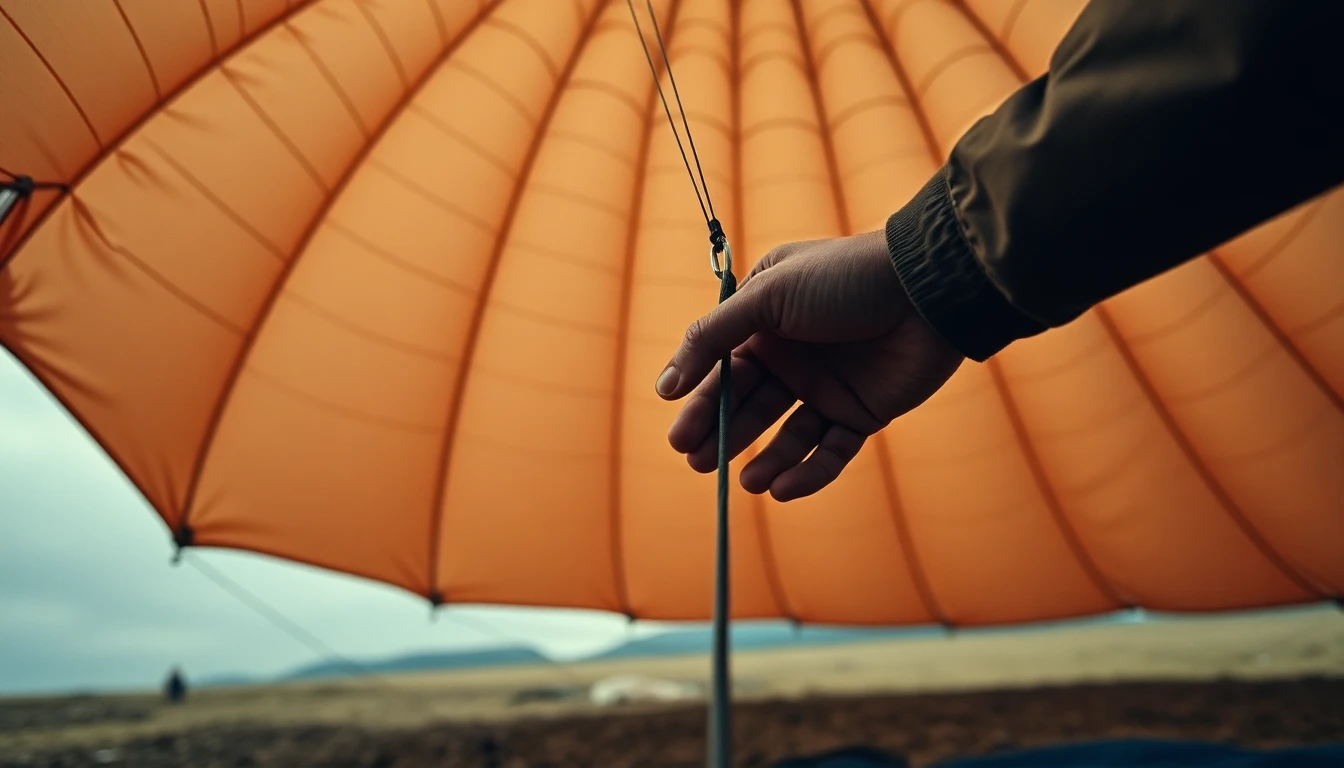
Reserve is the system's most critical component. Must open clean and fast, pilot predictably, land safely even with injured or panicked pilot. All serious reserves are 7-cell F-111, designed for fast stable openings. Not a 'choose by discipline' decision — pick the right size for your weight and forget about it.

02 — What to evaluate

Key specs

Area (sqft)

Reserve wing loading should stay conservative (<1.2 always recommended). Reserve is used in worst-case scenarios — landing in an unexpected parking lot with unexpected wind requires a docile canopy.

Certified weight (lbs / kg)

Each reserve has a TSO-certified (Technical Standard Order) max weight. Above that, certification no longer applies — the canopy may not open predictably.

Repack date

In Italy (ENAC) reserve must be repacked every 6 months by certified rigger. The cycle conditions fabric, verifies canopy status, updates the log.

03 — Manufacturers

Reference brands

Performance DesignsPrecision AerodynamicsAerodyne
04 — Models

3 flagship models

Performance Designs
Optimum Reserve
2,4002,800
New

7-cell F-111 premium. 20% reduced pack volume vs previous generation — allows larger size in the same container. Reference choice 2020-2026.

99-253 sqftStudentNovice (post-A)Intermediate (B-C)Advanced (C-D)Expert / competition
Manufacturer site →
Precision Aerodynamics
Raven
2,0002,500
New

Historic 7-cell, robust and reliable. Slightly larger size and pack volume than Optimum but reputation of perfect opening in hundreds of thousands of deployments.

120-282 sqftStudentNovice (post-A)Intermediate (B-C)Advanced (C-D)
Manufacturer site →
Aerodyne
Smart LPV
2,2002,600
New

7-cell Low Pack Volume. Valid Optimum alternative often at more accessible European market price.

99-220 sqftStudentNovice (post-A)Intermediate (B-C)Advanced (C-D)
Manufacturer site →
05 — Lifecycle

Lifespan and used market

Lifespan and maintenance

Up to 40 repacks (20 years at 6-month cycles) for same reserve, provided no deployment occurred. After real deployment, mandatory inspection and re-certification.

Used market
Thin

Limited supply. Consider new unless specific exceptions (high-end segment with well-documented used).

Hub
All gear categories
Open →
Disciplines
FAI sport disciplines
Open →
Safety
Safety framework and procedures
Open →
Sources: official manufacturer product pages, USPA SIM Section 5, PIA bulletins. Indicative pricing from European dealers, April 2026. Quota 4000 does not test gear — no individual reviews. For model-specific evaluation: certified rigger or trusted instructor.

Canopy Maintenance Before the Season: Complete Checklist for Beginners

Before getting back in the air after a winter break, visually inspect your canopy fabric (tears, burns, edge wear), the condition of your suspension lines (knots, tangles, comparative length), the slider, connectors, and pilot chute. Some checks you can do yourself; anything involving line trim geometry, load-bearing fabric structure, or the reserve should be entrusted to a certified rigger.

9 min read

Container and harness: how to choose your first rig at 50 jumps

Choosing your first container comes down to three variables: harness fit for your body type, size compatibility with the canopy you plan to fly, and the age and maintenance history of the system. The most common brands in Italy (Vector/UPT, Javelin, Mirage, Infinity) all have excellent track records — the differences lie in construction details and after-sales support. On the used market, a well-maintained container under 15 years old is a sensible choice; beyond 20 years, a conversation with your rigger becomes mandatory before you open your wallet.

11 min read

Cutaway + Reserve Drill: Training for a Real Emergency

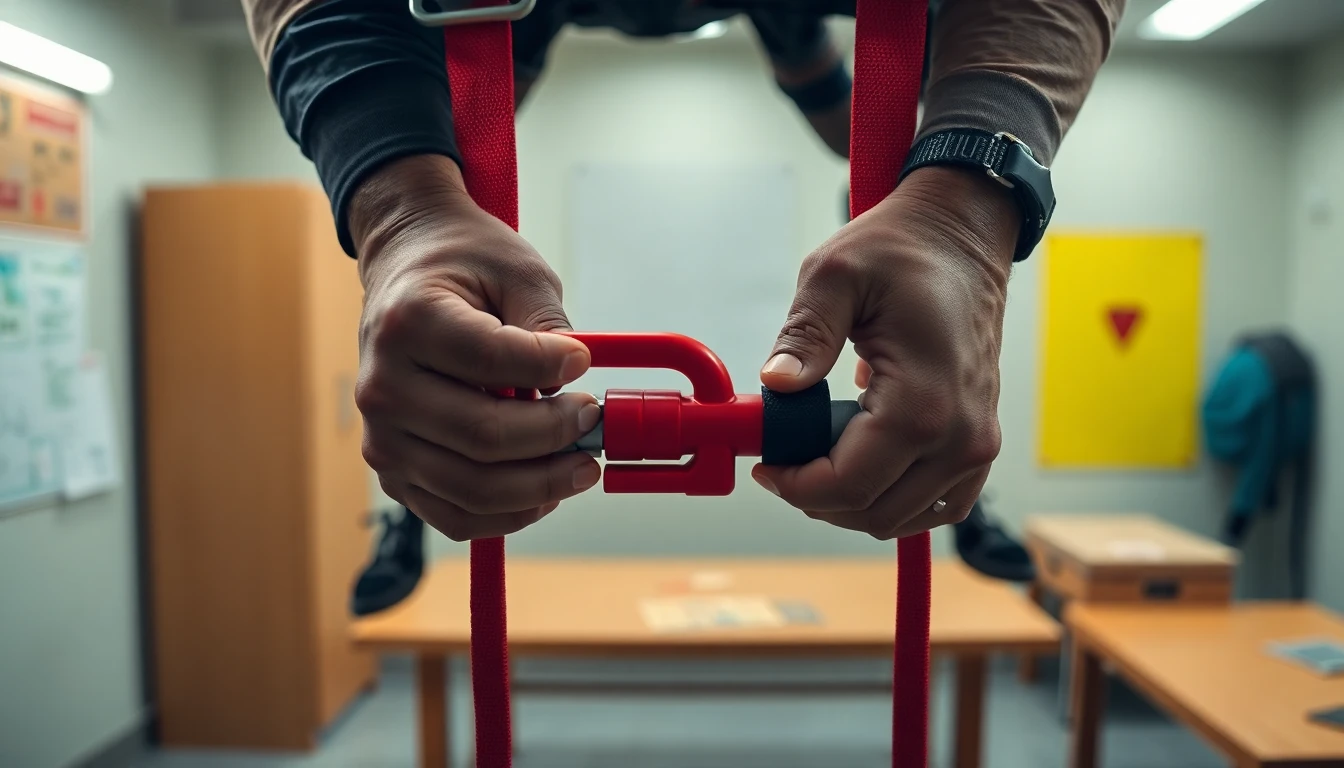
Training for a cutaway in skydiving means practicing on the ground, regularly, the Look-Locate-Peel-Pull sequence for both handles until it becomes muscle memory. The drill is performed on a hanging harness or standing, simulating stress conditions. Systematic repetition is the only way to ensure the procedure surfaces automatically in a real emergency, when the time available is measured in seconds.

8 min read

Basic Pack Job: How to Pack Your Main Canopy Without Mistakes

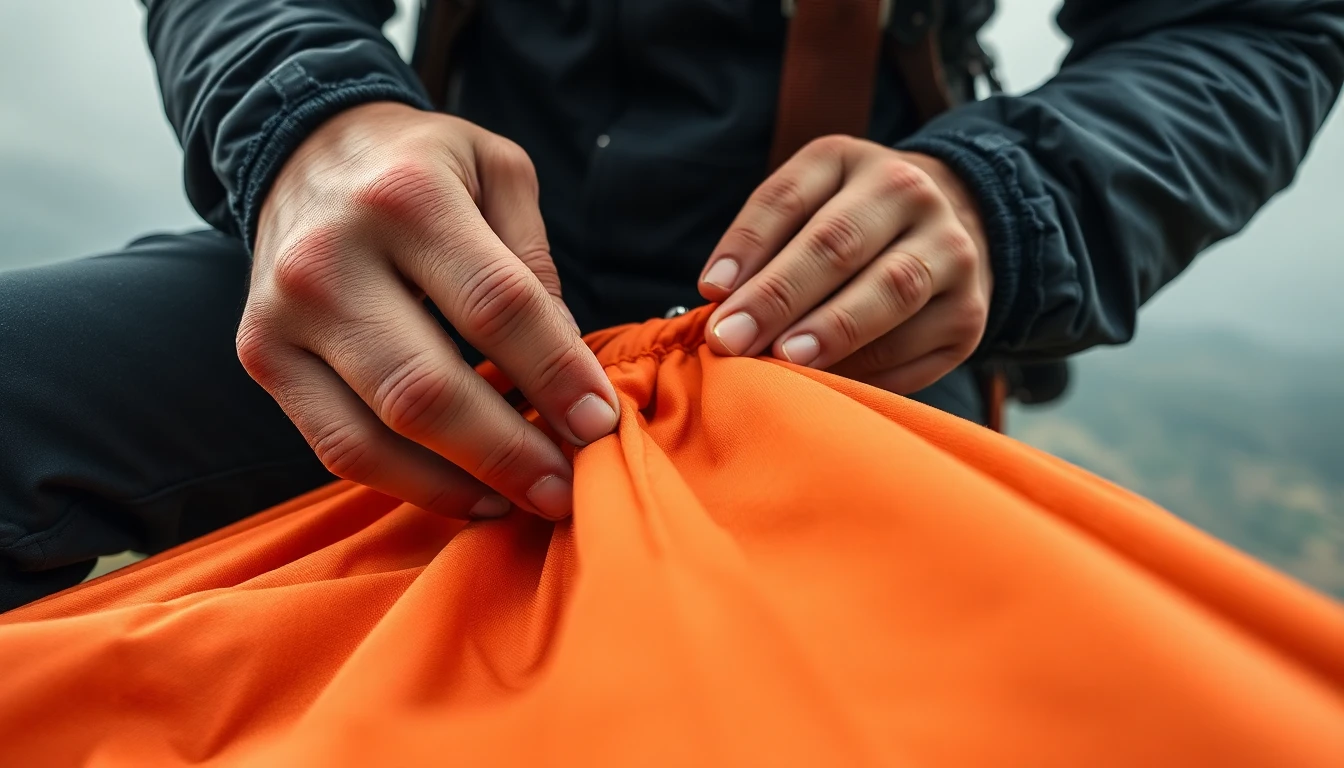
Packing your main canopy correctly requires following a precise sequence: lay out and inspect the canopy, align the lines, build a symmetrical pack job, and position the pilot chute correctly. A poorly executed pack job won't necessarily cause a malfunction, but it does increase the likelihood of off-heading openings, line twists, or a slider that won't come down.

10 min read
Attrezzatura

Full Face vs Open Face Helmet: Which to Choose for Skydiving

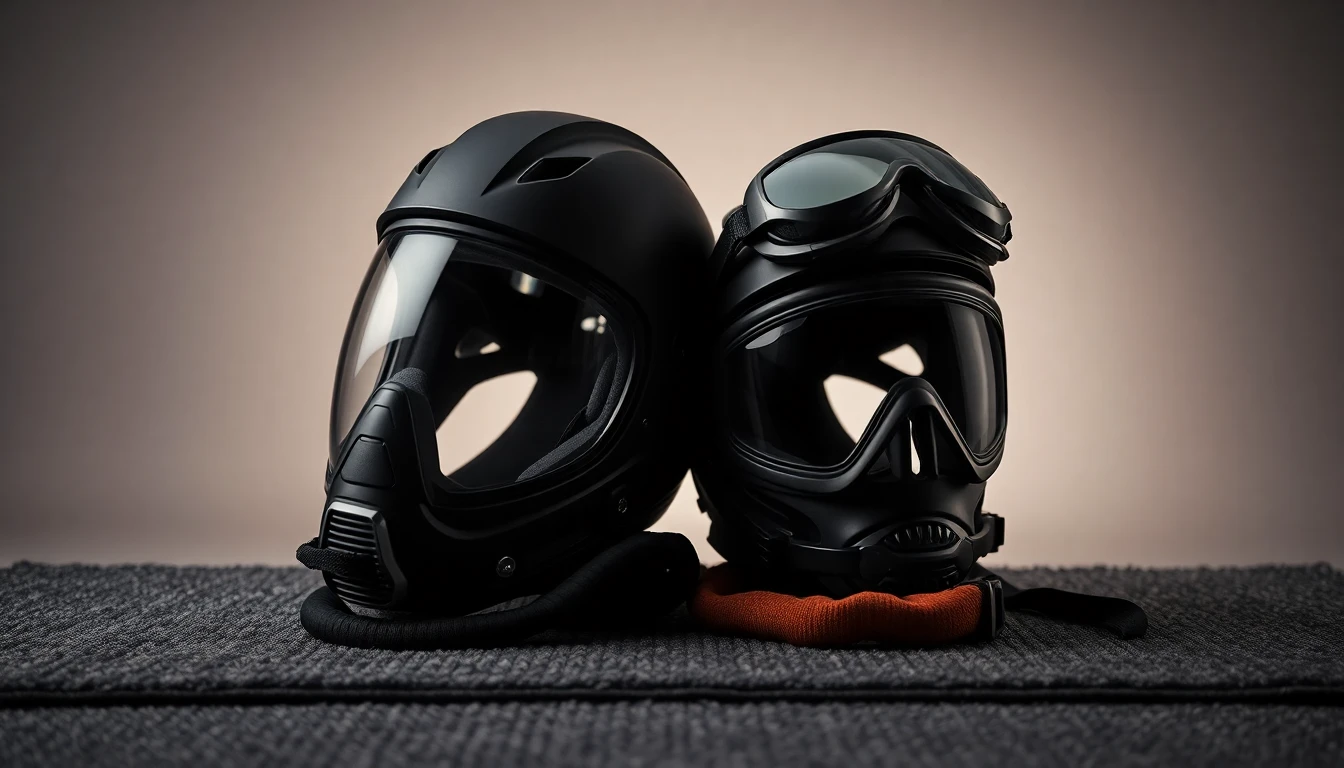
In skydiving, a full face helmet protects your chin and face but reduces auditory perception and the visor can fog up; an open face offers greater sensory freedom and is preferred by many instructors and advanced freefly jumpers. For a newer jumper with 50–200 jumps, an open face with solid lateral protection is often the most versatile and learning-friendly choice.

9 min read

Canopy Malfunctions: Types, Frequency, and Emergency Procedures

Canopy malfunctions fall into two categories: partial (the canopy opens but is compromised) and total (the canopy fails to open at all). The standard procedure always follows the same sequence: assess altitude, attempt a correction if the malfunction type allows it, and when in doubt, cut away and deploy the reserve. Training with an ENAC-certified school is the only way to practice these procedures safely.

8 min read